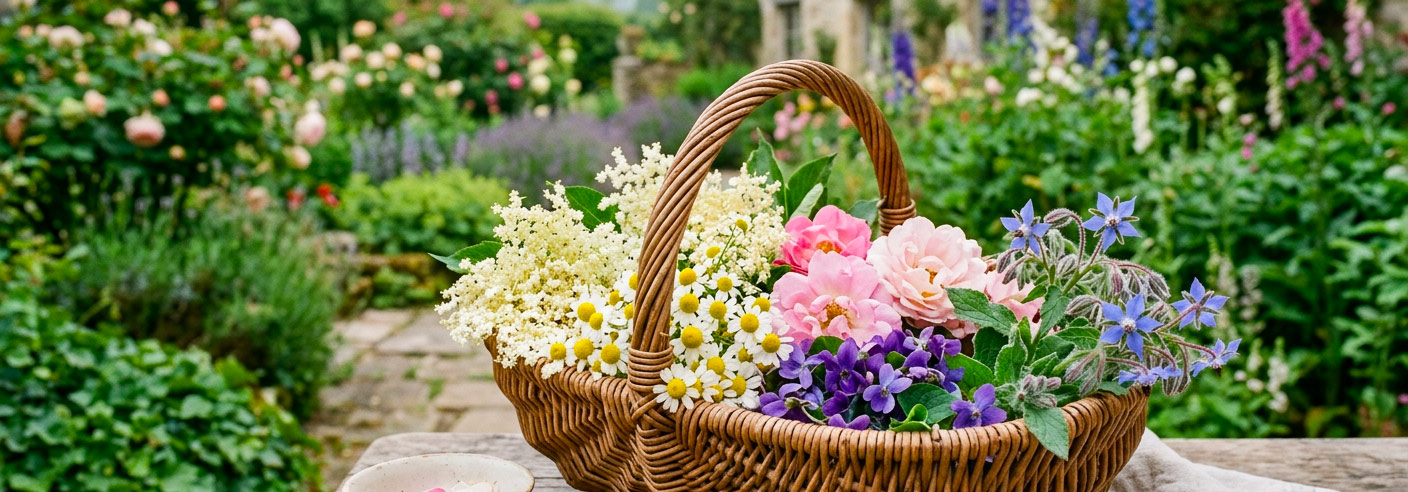
When planting a border, we often choose plants on impulse. A beautiful photo, a spectacular flower at the garden centre… and the trolley fills up quickly. The problem appears a few months later: the border looks magnificent in spring, then some flowers disappear and a large gap opens up until summer. The secret to a successful border isn't planting more. It's making plants flower at different times.
Think in seasons, not in plants
A common mistake is choosing only the flowers you like best, without asking when they flower. It's often more effective to think by season: what's flowering in spring? What will take over in summer? What will still bring colour in autumn? By approaching it this way, the garden holds its interest far longer.
Simple method
Before buying a plant, ask yourself one question: when does it flower? If your border is already missing spring or autumn interest, that's where to fill the gap first.
The first flowers of spring
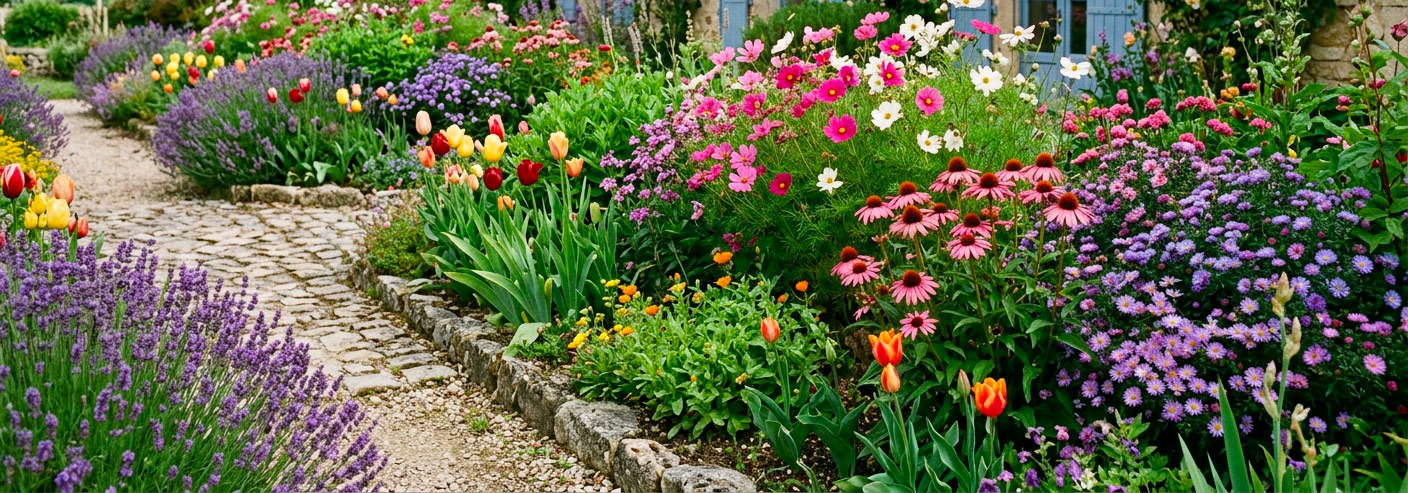
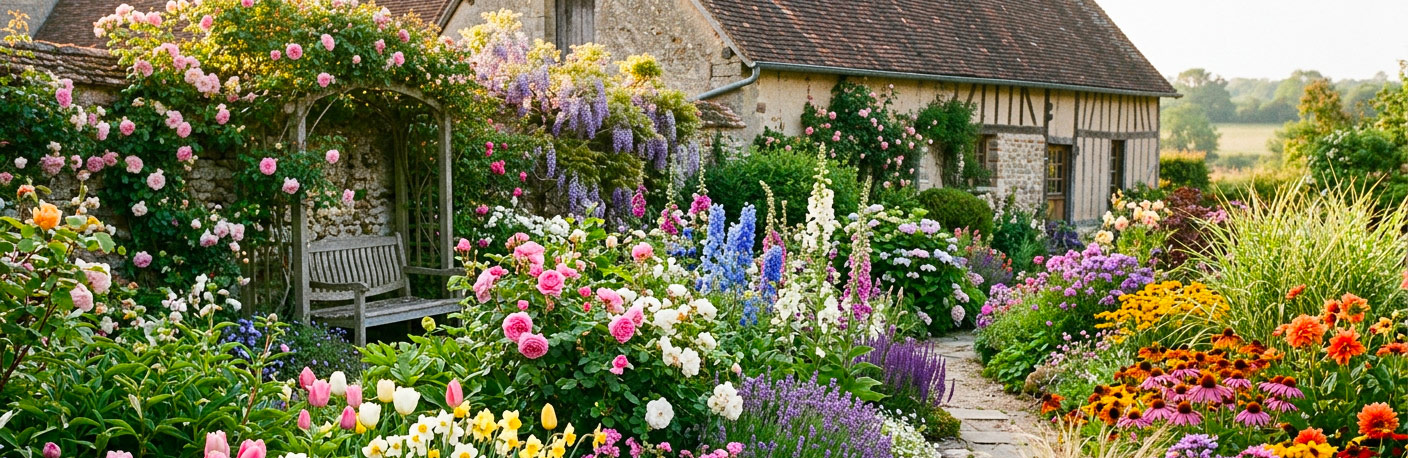
After winter, bulbs are often the first to wake up. Tulips, daffodils, grape hyacinths and bluebells bring quick colour while most perennials are still barely showing. Flowering trees and shrubs can also play an important role at this time of year.
Summer takes over
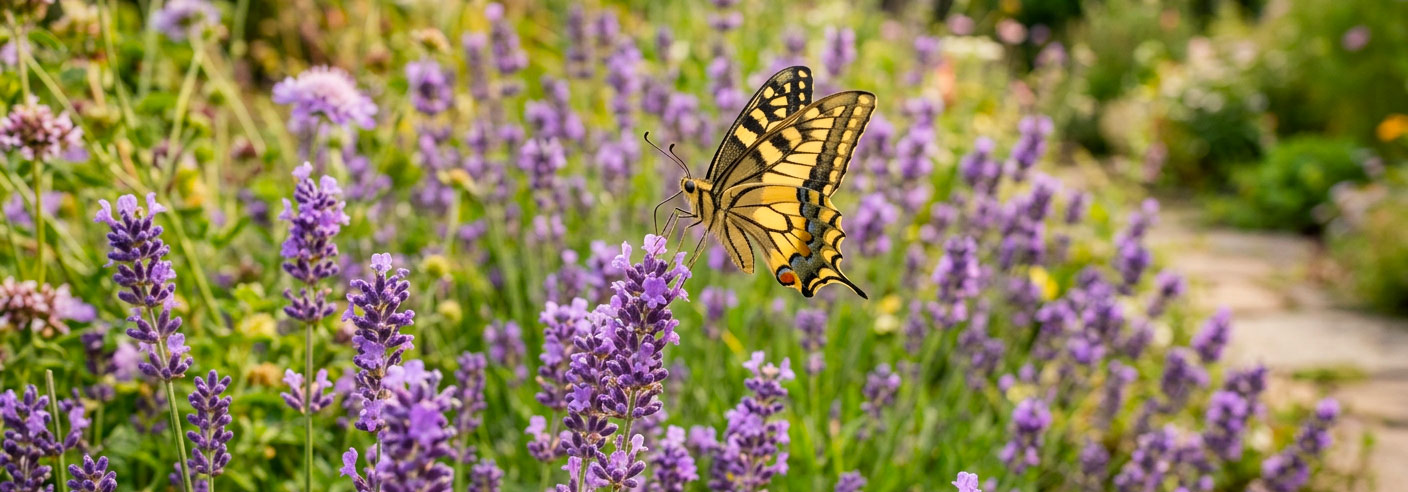
When the bulbs finish their cycle, other plants naturally step in. Cosmos, zinnias, echinacea, lavender, salvia and rudbeckia often provide several weeks — sometimes months — of flowering. This is usually when the garden reaches its peak.
Don't forget autumn
Many borders go quiet from September simply because no plants were chosen for that season. Yet some flowers keep going long after the rest:
- asters
- sedums
- hardy chrysanthemums
- Japanese anemones
They extend the season just as many other plants are beginning to wind down.
Play with heights
A border tends to look more natural when the tallest plants are placed at the back, medium plants in the middle, and the lowest at the front. This simple arrangement lets every plant be seen without hiding its neighbours.
Foliage matters as much as flowers
A plant often flowers for just a few weeks. Its foliage, however, may remain for several months. Grasses, hostas, heucheras and some artemisias continue to add volume and interest long after the flowers are gone. A beautiful border depends as much on its foliage as on its flowering.
Start small
There's no need to create a magazine-worthy garden immediately. A few well-chosen plants, with flowering spread from spring to autumn, often give better results than a border crammed with impulse-bought flowers. A garden builds itself year by year — and that's often what makes it so charming.